The upcoming ITENZ Conference 2026 gives PTE leaders a timely opportunity to examine how strategy turns into execution.
The conference theme, Responsive Education and Training: From Policy to Practice, focuses on how vocational and tertiary education providers translate policy intent into effective practice. The event will take place on 15-16 September 2026 at Novotel Rotorua Lakeside in Rotorua, New Zealand.
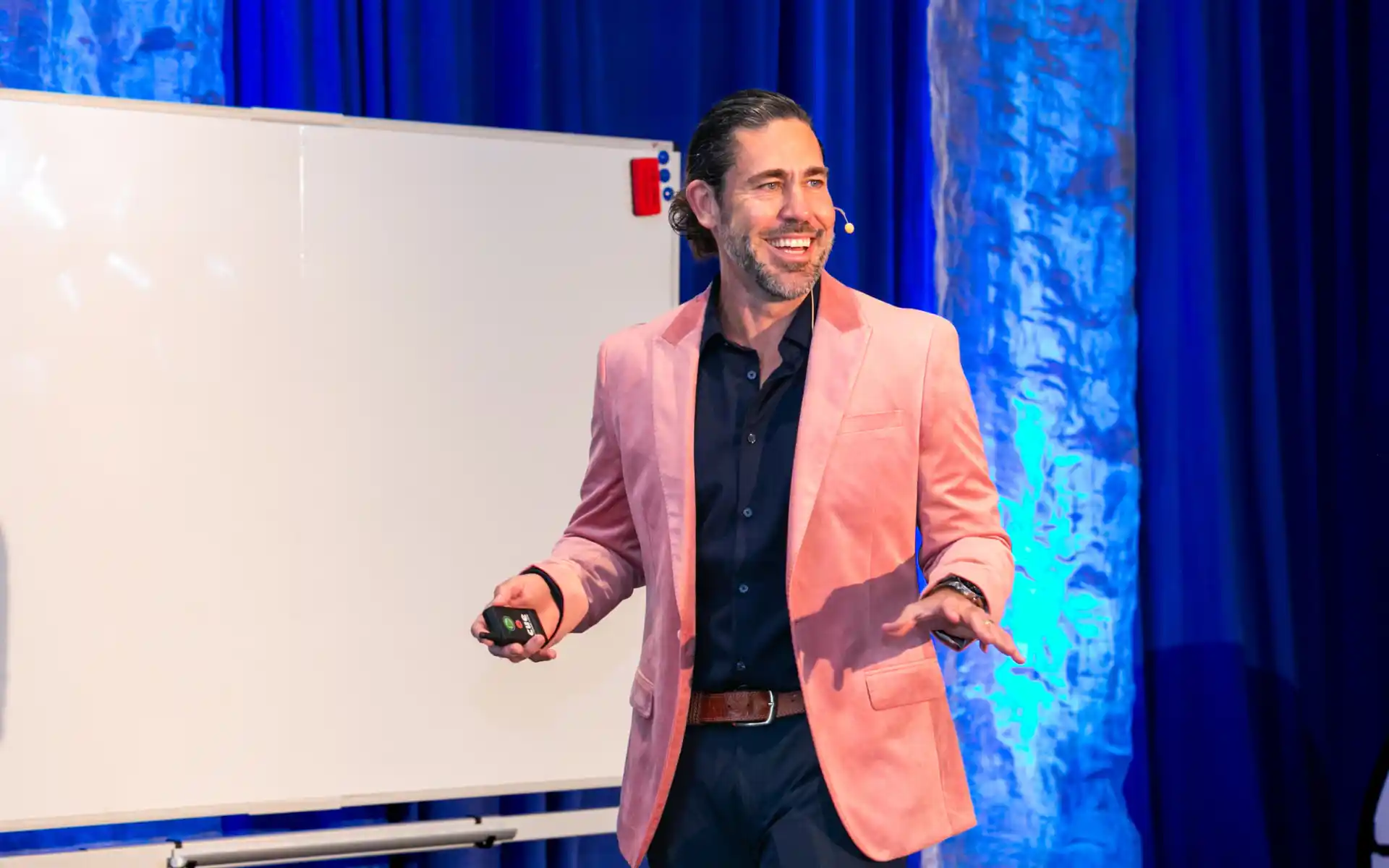
PeoplePartners will be part of that conversation, with Anthony Rice, Co-Founder of PeoplePartners, presenting the breakout session “Workforce Design for the AI Era: Why You’re Optimising the Wrong Thing.” The session is a practical and thought-provoking look at workforce capacity, scalability, AI, and the future of work for PTEs.
For PTEs, the timing matters. As regulated education environments scale, complexity can compound faster than revenue. Roles become wider. Leaders stay too close to day-to-day execution. Margins can tighten even when enrolments continue to grow. Anthony’s breakout session frames this as a workforce design issue, not only a staffing, technology, or cost issue.
What PTE leaders can expect from the workforce design session
Anthony Rice’s ITENZ Conference 2026 session is built for PTE leaders who feel the pressure of growth, regulation, AI, and overloaded teams, but want a clearer way to diagnose what is really slowing execution.
The session will challenge a common scaling assumption: that the next improvement should come from more discipline, more delegation, more technology, or more labour leverage. It will explore what happens when organisations optimise around roles that may need to be redesigned first.
Attendees can look forward to a practical discussion on:
- Why some PTE roles become harder to hire, onboard, and retain
- How to spot a workforce design problem
- Why duplication creates bloat while segmentation creates scale
- Where AI and global talent fit after the work is redesigned
- How PTE leaders can pressure-test their current workforce model
For education leaders, the value of the session is not just the AI conversation. It is the chance to step back and ask whether the business is designed for the way work now needs to happen.
Why workforce design matters for PTEs in the AI era
PTEs operate in a demanding environment. Leaders need to balance student experience, trainer capacity, enrolment processes, scheduling, administration, reporting, evidence collection, and quality expectations.
As organisations grow, that complexity can increase quickly. Responsibilities expand, roles absorb more work, and leaders can remain involved in day-to-day execution longer than intended.
This is where workforce design becomes important. Growth does not only create a need for more capacity. It can also expose whether responsibilities, ownership, and workflows are structured clearly enough to support the next stage of the organisation.
Anthony’s ITENZ session will explore why these structural questions matter before PTE leaders decide how to increase capacity, introduce new technology, or change the way work is delivered.

What happens when adding capacity isn’t enough?
When workloads increase, adding another person can feel like the most direct solution. But what if the existing role has already become too broad?
In education operations, administration, reporting, scheduling, student support, coordination, and other responsibilities can gradually accumulate within the same role. Replicating that role may create more capacity, but it may also replicate the same complexity.
This raises an important workforce design question: when a team is overloaded, should organisations add more people or first examine how the work itself is structured?
Anthony will explore this tension during his ITENZ session, including the difference between simply duplicating existing capacity and thinking more deliberately about how work can be segmented for scale.
What does the AI era mean for workforce design?
AI is changing how organisations think about productivity, capacity, and the way work gets done. Global talent is also expanding the options available to organisations when deciding where and how work should be delivered.
For PTEs, this creates a broader question. As technology and talent models evolve, do existing roles and workflows still make sense?
The conversation is not only about what AI can automate or which work can be supported by global talent. It is also about understanding where those options fit within the wider workforce structure.
Anthony’s ITENZ session will explore why AI and global talent are most useful when considered as part of a broader workforce design conversation, rather than as standalone solutions.
For PTE leaders thinking about scalability, capacity, and the future of work, the session offers an opportunity to reconsider how their workforce may need to be designed for the AI era.
How PTE leaders can pressure-test their current workforce model
Before attending Anthony’s session, PTE leaders can start with five simple questions:
- Which roles are hardest to hire for or retain?
- Which roles take too long to onboard?
- Which seats combine technical, administrative, and relationship work?
- Where does rework or double handling happen most often?
- Where are leaders still stuck in recurring execution?
These questions help move the conversation from “Who do we need next?” to “How should the work be designed?”
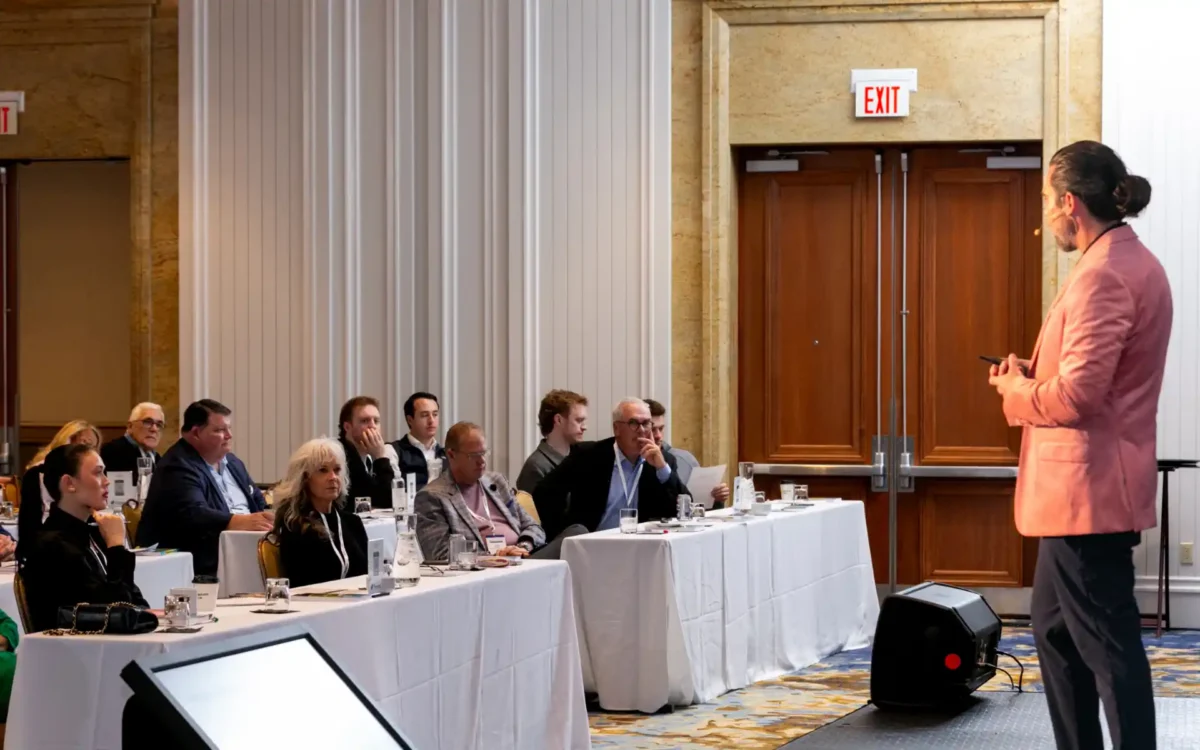
Join Anthony Rice’s workforce design session at ITENZ Conference 2026
ITENZ Conference 2026 will bring together PTE leaders and professionals from across New Zealand for two days in Rotorua, 15-16 September 2026 at Novotel Rotorua Lakeside, with ITENZ as host.
Anthony Rice’s breakout session, “Workforce Design for the AI Era: Why You’re Optimising the Wrong Thing,” is an opportunity for PTE leaders to rethink how roles, workflows, AI, and support capacity fit together before the next stage of growth.
Learn more about Workforce Re-Engineering for PTEs here.
Frequently Asked Questions (FAQs)
Workforce design is the process of looking at how work is structured across an organisation, including roles, responsibilities, workflows, and decision-making. For PTEs, this can help identify where roles have become too broad, responsibilities overlap, or leaders remain too involved in recurring operational work.
A workforce design problem can show up when roles are difficult to hire for or onboard, responsibilities continue to expand, or teams experience frequent rework, double handling, and unclear ownership. It can also happen when leaders remain heavily involved in recurring operational tasks instead of focusing on higher-value priorities.
AI can change how quickly certain types of work are completed, but technology does not automatically resolve unclear roles or inefficient workflows. As PTEs adopt AI and explore new workforce models, understanding how work is structured can help them make more informed decisions about where technology and people can add the most value.
It depends on the organisation and the work involved. Adding capacity can help, but it may not address the underlying issue if roles are already too broad or workflows are unclear. Workforce design encourages PTEs to understand the work first before deciding whether they need additional staff, different roles, technology, or other forms of support.
Global talent can provide additional capacity for clearly defined and repeatable areas of work. The key is understanding which responsibilities can be appropriately supported and how they connect with local teams. This is part of the broader workforce design conversation that Anthony Rice will explore at ITENZ Conference 2026.