If there was one idea that stopped mortgage brokers in their tracks at Altitude 2026, it was this: outsourcing is changing the way the industry operates.
You’re not struggling because of cost, time, or even talent. You’re struggling because of design.
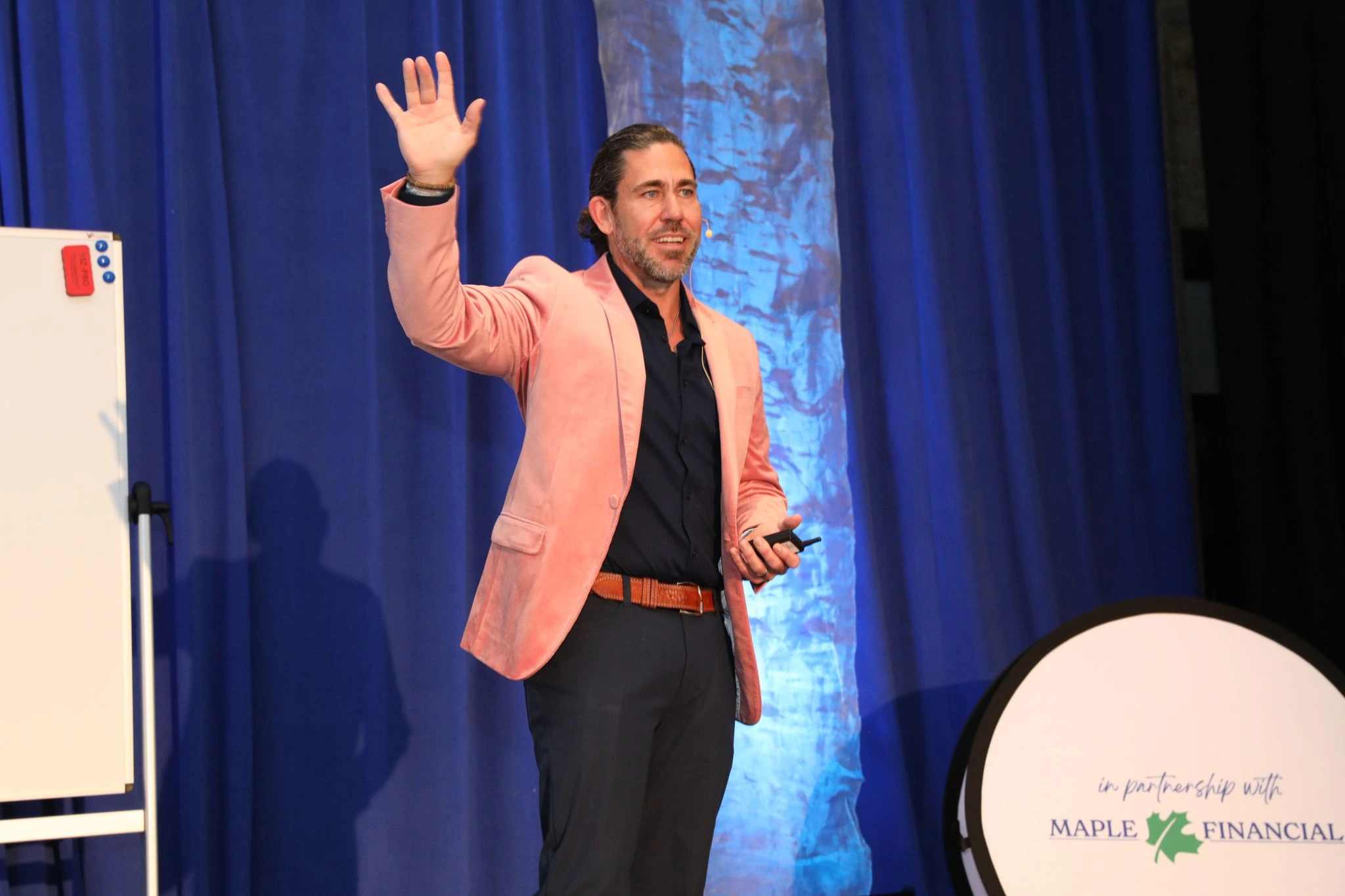
In Anthony Rice’s session, “The Science of Workforce Re-Engineering for Mortgage Brokers,” the message was clear. Most brokers are optimising the wrong thing. And until that changes, growth will continue to feel harder, messier, and more unpredictable than it should.
This is where conversations around outsourcing in Canada often miss the mark. Many brokers see outsourcing as a quick fix. A way to reduce costs or offload admin. But outsourcing, on its own, doesn’t solve the underlying issue.
Because if the structure is wrong, adding more people only amplifies the problem.
The Reality Facing Mortgage Brokers in 2026
The mortgage brokerage industry is growing. But it’s also becoming more demanding.
According to Anthony, brokers are dealing with:
-
- Increasing file complexity
-
- Margin compression
-
- Rising client expectations
Each of these pressures alone is manageable. Together, they create a compounding effect that most brokerages aren’t designed to handle. This is why so many growing firms hit the same ceiling.
As mentioned in his session, a pattern emerges across brokerages:
-
- Complexity grows faster than revenue
-
- Profit margins tighten, even as settlements increase
-
- Staff become overloaded and disengaged
-
- Leaders get pulled back into day-to-day operations
This creates a frustrating cycle. Growth happens, but control starts to slip. More hires don’t make things easier. And despite working harder, profitability still lags behind.
That’s not a performance issue. That’s a structural issue.
The Big Insight: You Don’t Have a Cost Problem
When things feel tight, most brokers look at the obvious levers:
-
- Reduce costs
-
- Increase volume
-
- Hire support
-
- Invest in tech
But Anthony challenged this thinking directly. Most businesses don’t have a labour cost problem, a profit problem, or even a scaling problem. They have a workforce design problem. This is a subtle shift, but it’s critical. Because if your roles are poorly designed, every optimisation you apply sits on unstable ground.
You can:
-
- Hire more people
-
- Implement better systems
-
- Improve processes
But if the underlying role structure is misaligned, those improvements don’t compound. They collide. That’s why so many brokers feel like they’re constantly fixing things, rather than building something that runs smoothly.

Why Delegation, Tech, and Outsourcing Often Break
When pressure builds, brokers don’t stand still. They act.
They try to:
-
- Delegate more
-
- Introduce new tools
-
- Hire assistants
-
- Explore offshore support
On paper, these are all smart moves. But they share a dangerous assumption. They assume the roles are already correct. This is the hidden flaw.
If one role includes:
-
- Client communication
-
- Loan processing
-
- Compliance
-
- Admin
-
- Marketing
then delegating parts of that role doesn’t fix the problem. It fragments it. Anthony summed this up perfectly:
You can’t delegate chaos.
This is why many attempts at outsourcing in Canada fall short. Not because offshore talent lacks capability, but because it’s being dropped into roles that were never designed to succeed in the first place.
At PeoplePartners, this is where we often see the biggest shift. When businesses stop asking “Who do I hire?” and start asking “What should this role actually be?”, everything changes.
Before jumping into hiring, it’s worth understanding what to look for in a partner. These questions decision-makers should ask when choosing the right outsourcing partner can help you avoid common mistakes.
What Workforce Re-Engineering Actually Looks Like
Workforce re-engineering is not about cutting costs or replacing staff. It’s about how we redesign teams and improve how work flows through your business. It starts with one simple idea: Break roles into aligned, repeatable functions.
Solo Brokers: From Overloaded to Focused
The solo broker example is one of the clearest illustrations of the problem.
Many brokers reach a point where they think: “I just need a VA.” But what they actually need is clarity.
In the session, Anthony showed a typical “VA role” that included over 15 different responsibilities. Everything from loan processing to social media to IT support. No single person can perform all of those tasks well. So what happens?
-
- Things get missed
-
- Quality drops
-
- The broker steps back in
Instead of solving the problem, it creates more friction. The shift comes from segmentation. By dividing work into:
-
- Easy tasks (admin, document collection)
-
- Medium tasks (process, compliance)
-
- Hard tasks (analysis, decision support)
brokers can assign the right work to the right level of skill. The results speak for themselves:
-
- 30% increase in deal flow
-
- 70% reduction in labour costs
More importantly, brokers get their time back. They focus on relationships, strategy, and revenue-generating activity. This is where freedom from low-value tasks becomes real. It’s not just about saving time. It’s about reclaiming focus.
Small Firms: Escaping the “Jack of All Trades” Trap
In small brokerages, the problem evolves. Instead of one overloaded role, you have multiple brokers each acting as “jacks of all trades.”
According to Anthony, brokers in these firms spend up to 70% of their time on non-revenue tasks. That’s a massive opportunity cost. Many firms try to fix this by hiring local assistants. But this creates a new issue:
-
- Assistants gain experience
-
- They get licensed
-
- They leave
The cycle repeats. Workforce re-engineering breaks this cycle by introducing specialised roles that are:
-
- Clearly defined
-
- Easier to train
-
- More scalable
For example:
-
- Loan processing specialists
-
- Database managers
-
- Underwriting support
The impact is measurable:
-
- $42M increase in annual funded volume
-
- 25% increase in deals
-
- 28 hours per week reclaimed per broker
That’s not just efficiency. That’s leverage.
Large Firms: Solving Complexity at Scale
At the enterprise level, complexity becomes the biggest threat. Large brokerages often look well-resourced on paper. But internally, they struggle with:
-
- Role duplication
-
- Poor handovers
-
- Knowledge silos
-
- High overhead costs
One example from the session showed a $250M+ brokerage operating at under 10% profit margins due to inefficiencies.
After redesigning their workforce:
-
- They added $153M in incremental volume
-
- Increased deal funding by 40%
-
- Reduced admin drag significantly
The key concept here is backend shielding. Protect your revenue generators from low-value work.
This is where PeoplePartners’ Zero Bench Recruiting model becomes powerful. Every role is designed for a purpose, not filled just to “add capacity.”

The Real Lever: Designing Roles Around Value
One of the most practical frameworks from the session was this: Think in terms of task value:
-
- $6 per hour tasks
-
- $20 per hour tasks
-
- $500 per hour tasks
Most brokers are still doing $6 tasks. Not because they want to. But because their roles demand it. Workforce re-engineering flips this. It forces you to:
-
- Separate admin from expertise
-
- Align roles with strengths
-
- Reduce cognitive overload
-
- Eliminate constant context switching
This is how you move from reactive to strategic. And this is where Right People, Right Seats becomes more than a slogan. It becomes a system.
What This Means for Your Brokerage
So how do you know if this applies to you? Look for these signals:
-
- You’re busy, but growth feels inefficient
-
- Your team wears too many hats
-
- Delegation doesn’t stick
-
- Hiring hasn’t solved your bottlenecks
-
- You’ve tried outsourcing, but results were inconsistent
These are not isolated issues. They point to a deeper design flaw. As Anthony highlighted, delaying this decision doesn’t keep things stable. It makes your business less competitive over time.
If this feels familiar, you’re not alone. Many firms face the same challenges, which we break down further in why mortgage brokerages struggle to scale.

Key Takeaways from Altitude 2026
-
- Workforce design is the real growth lever
-
- Delegation only works after redesign
-
- Outsourcing succeeds when roles are structured correctly
-
- Brokers should focus on high-value, client-facing work
-
- The longer you delay redesign, the more it costs you
Avoiding these pitfalls starts with awareness. Understanding common outsourcing mistakes can help you make better decisions as you scale.
Where to Start: Pressure-Test Your Org Chart
Before making any hiring decisions, step back. Look at your structure. Ask:
-
- Where is work getting stuck?
-
- Which roles feel overloaded?
-
- What tasks don’t belong at that level?
This is exactly how we redesign teams to ensure every role is aligned, repeatable, and built for performance from day one.
Ready to Optimise the Right Thing?
Altitude 2026 made one thing clear: You don’t get to opt out of workforce design. You only get to decide when to address it. The right partner makes that decision easier. At PeoplePartners, we’ve seen firsthand how redesigning roles, not just hiring more people, creates scalable growth for mortgage brokers.
With PeoplePartners, you get:
-
- Zero upfront cost
-
- No lock-in contract
-
- A structured approach to building high-performing teams
-
- Up to 70% cost savings without compromising quality
Most importantly, you stay in control.
